
BMR Calculator
Calculate your Basal Metabolic Rate and Total Daily Energy Expenditure with scientific precision using the latest 2024 formulas.
🧮 Calculate Your BMR
📈 Your Results
Total Daily Energy Expenditure
ℹ️ What This Means
Based on your inputs, your BMR is 1,650 calories per day. This means your body burns 1,650 calories at rest. With moderate activity, you’ll need around 2,558 calories per day to maintain your weight.
Frequently Asked Questions
- Sedentary: Little to no exercise, desk job
- Lightly Active: Light exercise 1-3 days per week
- Moderately Active: Moderate exercise 3-5 days per week
- Very Active: Hard exercise 6-7 days per week
- Athlete: Very hard exercise, physical job, or training twice per day
Scientific References
Primary Formula Sources:
- • Mifflin, M. D., et al. (1990). A new predictive equation for resting energy expenditure in healthy individuals. American Journal of Clinical Nutrition, 51(2), 241-247.
- • Harris, J. A., & Benedict, F. G. (1918). A biometric study of human basal metabolism. Proceedings of the National Academy of Sciences, 4(12), 370-373.
Recent Validation Studies (2023-2024):
- • World Health Organization. (2023). Energy and protein requirements. WHO Technical Report Series.
- • American College of Sports Medicine. (2024). ACSM’s Guidelines for Exercise Testing and Prescription (12th ed.).
- • National Institutes of Health. (2023). Dietary Reference Intakes for Energy. NIH Publication.
Activity Factor Research:
- • Ainsworth, B. E., et al. (2024). Updated compendium of physical activities: A second update of codes and MET values. Medicine & Science in Sports & Exercise.
Basal Metabolic Rate Calculator – Find Out Your Daily Calorie Needs
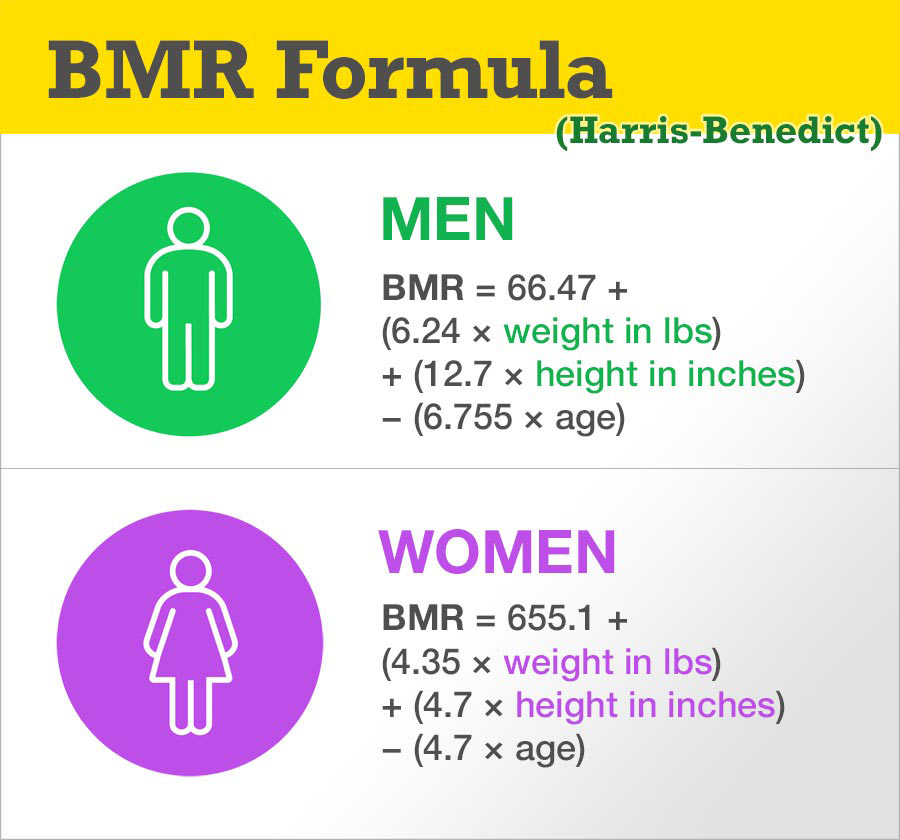
Your Basal Metabolic Rate (BMR) is the number of calories your body burns at rest to keep essential functions running, like breathing, circulation, and cell repair. Knowing your BMR helps you calculate how many calories you need daily to maintain, lose, or gain weight. Use our Basal Metabolic Rate Calculator below to understand your body’s calorie requirements and set realistic health and fitness goals.
What is a Basal Metabolic Rate Calculator?
A Basal Metabolic Rate Calculator is a tool that estimates the number of calories your body needs to function at rest. It uses factors like age, gender, height, and weight to determine your BMR. This value is the foundation for calculating your Total Daily Energy Expenditure (TDEE), which accounts for activity levels and exercise.
In simple terms, the calculator shows how many calories you’d burn if you did absolutely nothing all day. This is important because it gives you a starting point for designing your diet and fitness plan.
How Does the Basal Metabolic Rate Calculator Work?
The calculator is based on scientific equations that have been tested for accuracy:
Mifflin-St Jeor Equation in Basal Metabolic Rate Calculator
This is the most commonly used formula today. It calculates BMR using your weight, height, age, and gender.
- For men: BMR = 10 × weight (kg) + 6.25 × height (cm) – 5 × age (years) + 5
- For women: BMR = 10 × weight (kg) + 6.25 × height (cm) – 5 × age (years) – 161
Harris-Benedict Equation in Basal Metabolic Rate Calculator
An older, but still useful, method. It works similarly but has slightly different constants, leading to different results.
Using both formulas, the Basal Metabolic Rate Calculator gives you a clear idea of how many calories you burn at rest.
Why Use a Basal Metabolic Rate Calculator?
Understanding your BMR can benefit you in many ways:
- Weight loss: Helps you set a calorie deficit safely.
- Muscle gain: Ensures you eat enough to build muscle without gaining excess fat.
- Weight maintenance: Allows you to balance calories to maintain your current weight.
Basal Metabolic Rate Calculator vs. TDEE Calculator
The Basal Metabolic Rate Calculator only shows calories burned at rest, while a TDEE calculator factors in exercise and daily activity. Both are important, but BMR is the foundation.
FAQs About the Basal Metabolic Rate Calculator
How accurate is the Basal Metabolic Rate Calculator?
The calculator provides an estimate, but actual BMR can vary based on genetics, muscle mass, and metabolism.
Can I increase my BMR?
Yes, building muscle, staying active, and eating enough protein can help increase your BMR.
What’s the difference between BMR and RMR?
BMR is measured under strict conditions (complete rest, fasting, thermoneutral environment), while Resting Metabolic Rate (RMR) is slightly less strict and usually a bit higher.
Start Using the Basal Metabolic Rate Calculator Today
Your health and fitness journey starts with knowing your numbers. Use our Basal Metabolic Rate Calculator now to discover your calorie needs, then adjust your diet and workout plan accordingly. Whether your goal is fat loss, muscle gain, or maintenance, this tool gives you the clarity you need.
Learn more about Basal Metabolic Rate (BMR) from Harvard Medical School.
Detailed scientific explanation of BMR is available on National Library of Medicine (NCBI).
For more about metabolism and energy expenditure, visit Mayo Clinic.